

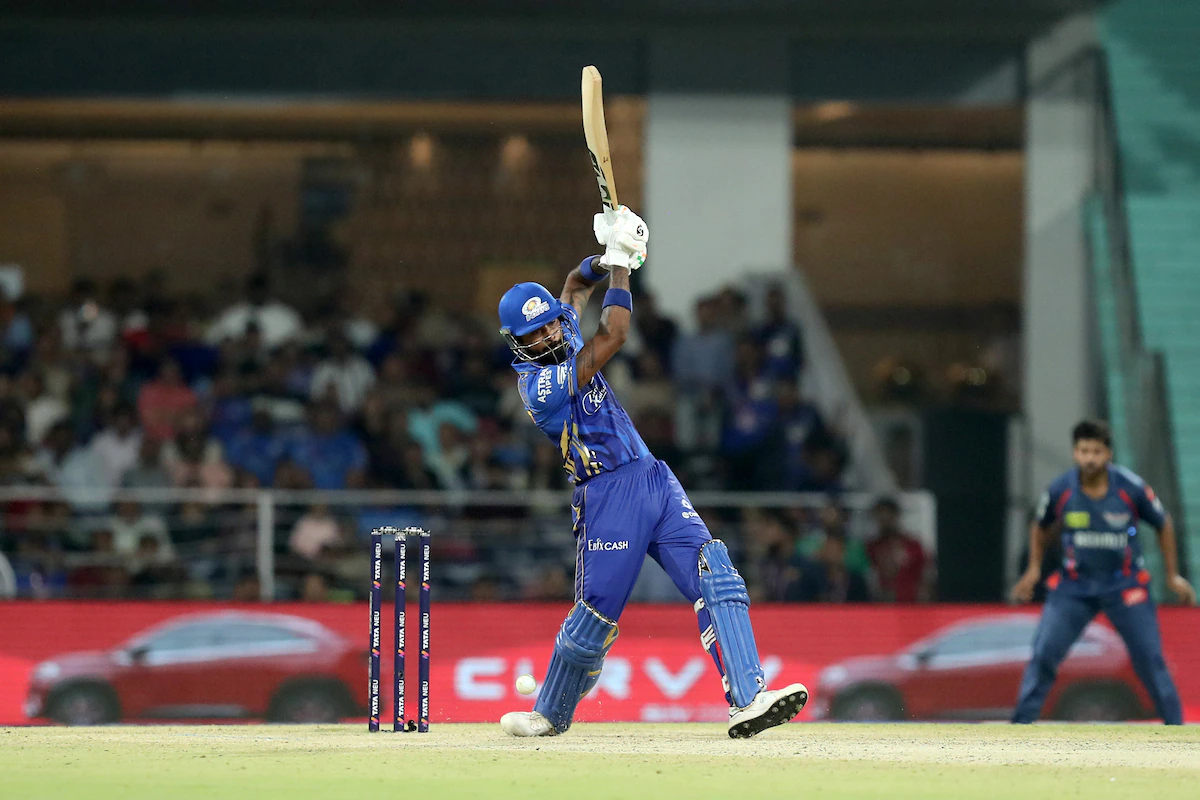
In cricket, batters usually leave the crease after getting dismissed by the fielding team. However, the Laws of Cricket also allow a batter to end their innings voluntarily. This is known as retired out.
The rule has become more noticeable in T20 cricket, particularly in the Indian Premier League (IPL), where teams sometimes replace a batter who is scoring slowly with a player better suited to the final overs. Although this decision can help a team improve its scoring rate, it comes with an important consequence: the batter is recorded as out.
Understanding retired out in cricket also requires knowing how it differs from retired hurt, whether the batter can return to the crease and how the dismissal is recorded on the scorecard.
What Is Retired Out in Cricket?
Retired out is a method of ending a batter’s innings voluntarily without being dismissed by a bowler or fielder. A batter can leave the field for tactical or other reasons, but if the innings does not resume under the conditions set out in the Laws of Cricket, the scorecard records the batter as retired out.
In modern T20 cricket, teams generally use this option to improve their scoring rate. For example, if a batter is struggling to hit boundaries during the final overs, the team may ask them to leave the crease and send in a more aggressive batter.
Unlike retired hurt, retired out counts as a dismissal. The batting team loses a wicket, even though the fielding side has not directly dismissed the batter.
The decision is usually made by the batting team’s management and captain after considering the match situation, remaining overs, required run rate and available batters.
What Is the Retired Out Rule in Cricket?
The retired out rule is covered under Law 25.4 of the MCC Laws of Cricket, which deals with batters retiring during an innings.
According to this law, a batter can retire at any time when the ball is dead. The umpires must be informed of the reason before play continues.
The law makes a clear distinction between a batter retiring because of injury or illness and one retiring for another reason.
Law 25.4.1: When Can a Batter Retire?
A batter can retire at any point during their innings when the ball is dead. Before play resumes, the umpires must be informed about the reason for the retirement.
This means a batter cannot simply leave the field while the ball is in play and expect the decision to be treated as a normal retirement.
Law 25.4.2: Retirement Due to Injury or Illness
If a batter retires because of illness, injury or another unavoidable cause, they are entitled to resume their innings.
If they cannot return for any reason, the scorecard records them as Retired Not Out. Their departure does not count as a dismissal, and the batting team does not lose a wicket because of it.
Law 25.4.3: Retirement for Other Reasons
If a batter retires for a reason other than illness, injury or another unavoidable cause, they can return only with the consent of the opposing team’s captain.
If the batter does not resume their innings, they are recorded as Retired Out.
This provision allows teams to make tactical changes during an innings, but the decision can cost them a wicket.
Law 25.4.4: When Can a Retired Batter Return?
A batter who is allowed to resume their innings can return only when another wicket falls or another batter retires.
They cannot simply walk back onto the field whenever they want. The conditions under Law 25.4 must be followed before they can continue batting.
Difference Between Retired Hurt and Retired Out
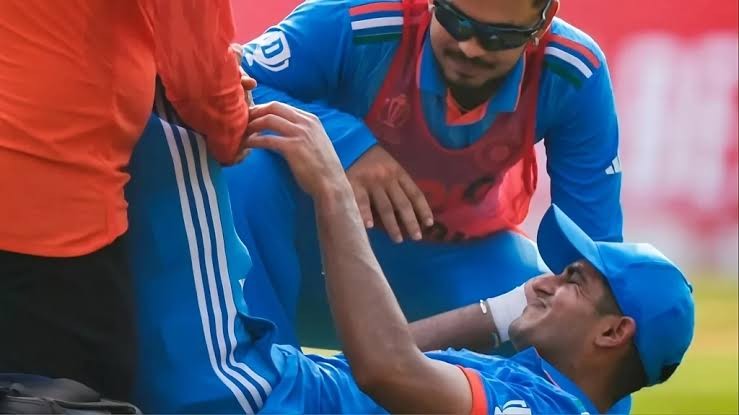
Retired hurt and retired out may sound similar, but they have different meanings and consequences. The main difference is the reason for leaving the crease and whether the batter is considered dismissed.
| Basis | Retired Hurt | Retired Out |
| Reason | Injury, illness or unavoidable cause | Tactical or another non injury reason |
| Wicket counted | No | Yes |
| Can the batter return? | Yes, subject to the Laws | Only with opposing captain’s consent |
| Scorecard entry | Retired Not Out | Retired Out |
| Bowler gets a wicket? | No | No |
| Common use | When a batter cannot continue | When a team wants a batting change |
A batter who retires hurt keeps the right to resume their innings under the relevant conditions. A batter who retires out is treated as dismissed if they do not return with the opposing captain’s consent.
One important detail is that a retired out dismissal is not credited to the bowler. The batting team loses a wicket, but no bowler receives a wicket in their bowling figures.
Why Do Teams Use the Retired Out Rule?
Retired out is mainly used as a tactical decision in limited overs cricket. Teams may choose this option when they believe another batter can contribute more effectively in the remaining overs.
To Increase the Scoring Rate
A batter may be struggling to score quickly, particularly during the final overs of a T20 innings. Replacing them with a powerful hitter can give the batting team a better chance of scoring boundaries.
To Bring in a Specialist Finisher
Some players are more effective when they enter the match during the death overs. A team may retire an established batter to bring in a specialist finisher who can attack from the first delivery.
To Take Advantage of Matchups
Teams sometimes consider the bowling options available to the opposition before making a batting change. A new batter with a favourable matchup against the remaining bowlers may offer a better scoring opportunity.
To Make Better Use of Remaining Deliveries
In T20 cricket, every delivery matters. If a batter is finding it difficult to score, continuing with the same combination may reduce the team’s chances of reaching a competitive total.
However, retiring out is not always successful. The incoming batter may also struggle, and the team has already sacrificed a wicket by making the change.
Examples of Retired Out in Cricket
The retired out rule has been used in different formats, but it has received particular attention in franchise T20 tournaments. The IPL has produced several notable examples.
Ravichandran Ashwin: Rajasthan Royals vs Lucknow Super Giants, 2022
Ravichandran Ashwin became the first batter to be retired out in IPL history during Rajasthan Royals’ match against Lucknow Super Giants in April 2022.
Ashwin scored 28 runs from 23 deliveries before leaving the crease during the closing overs. Rajasthan Royals sent Riyan Parag in his place to strengthen their batting in the final stage of the innings.
Rajasthan Royals finished with 165/6 and eventually won the match by three runs. The decision attracted significant attention because it was an uncommon tactical use of the retired out rule in the IPL.
Atharva Taide: Punjab Kings vs Delhi Capitals, 2023
Atharva Taide became another IPL batter to be retired out during Punjab Kings’ match against Delhi Capitals in May 2023.
Taide had scored 55 runs from 42 balls before Punjab Kings decided to bring in another batter. The team was chasing a target of 214 and needed to accelerate its scoring.
However, the decision did not help Punjab Kings secure a victory. They finished 15 runs short of the target.
Sai Sudharsan: Gujarat Titans vs Mumbai Indians, 2023
Sai Sudharsan was retired out during the IPL 2023 Qualifier 2 between Gujarat Titans and Mumbai Indians.
Sudharsan scored 43 runs from 31 deliveries before making way for another batter in the final stage of the innings. Gujarat Titans wanted to make better use of the remaining deliveries and increase their scoring rate. Gujarat eventually scored 233/3 and defeated Mumbai Indians by 62 runs to qualify for the final.
Tilak Varma: Mumbai Indians vs Lucknow Super Giants, 2025
Mumbai Indians used the retired out rule during their IPL 2025 match against Lucknow Super Giants. Tilak Varma was batting on 25 runs from 23 deliveries when Mumbai decided to replace him with Mitchell Santner. The move was intended to bring in a batter who could attack during the closing overs.
Mumbai needed 24 runs from the final seven deliveries when Tilak left the crease. However, the team could not complete the chase and lost the match by 12 runs.
Devon Conway: Chennai Super Kings vs Punjab Kings, 2025
Devon Conway became another batter to be retired out during IPL 2025. Playing for Chennai Super Kings against Punjab Kings on 8 April 2025, Conway scored 69 runs from 49 deliveries. Chennai were chasing a target of 220 after Punjab Kings posted 219. Conway left the crease in the 18th over, allowing Ravindra Jadeja to come in and attempt to accelerate the chase.
The change did not produce the required result. Chennai Super Kings finished on 201/5 and lost by 18 runs. Conway became the first overseas batter to be retired out in IPL history and the fifth batter overall.
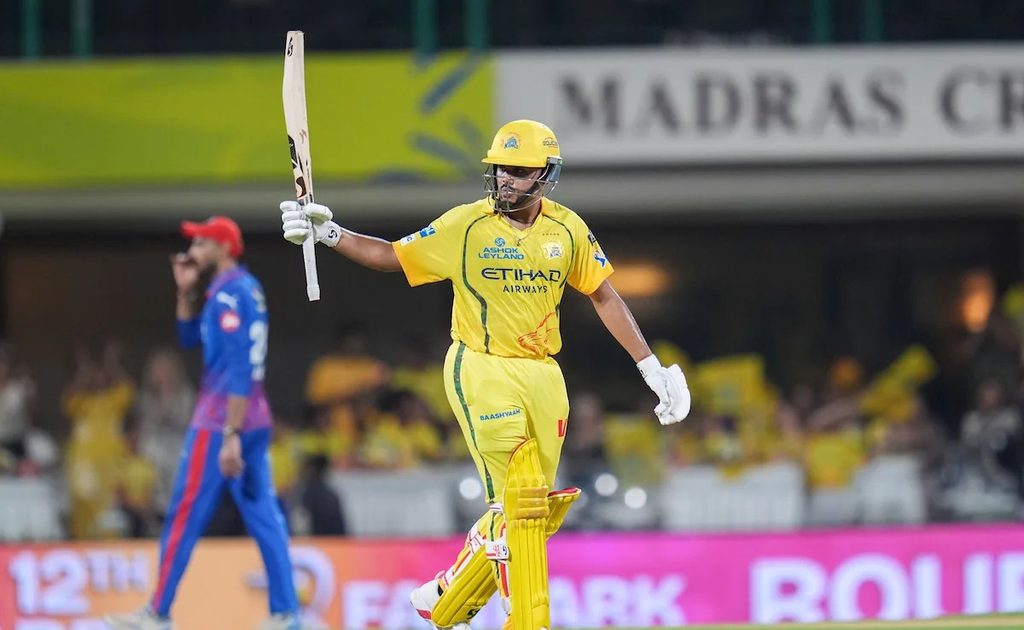
Ayush Mhatre: Chennai Super Kings vs Delhi Capitals, 2026
Ayush Mhatre was retired out during Chennai Super Kings’ IPL 2026 match against Delhi Capitals at Chepauk. The match was the 18th fixture of the season.
Mhatre scored 59 runs from 36 deliveries before Chennai decided to bring in Shivam Dube. The move was intended to add more power to the batting lineup during the closing overs. Mhatre became the first batter to be retired out in IPL 2026 and the sixth player overall in IPL history to face this dismissal. His innings had already given Chennai a strong contribution, but the team chose to change its batting combination for the remaining deliveries.
International Examples of Retired Out
The retired out rule is not limited to franchise cricket. It has also been used in international and representative matches. One example came during the 2019 South Asian Games T20 cricket competition, when Bhutan batter Sonam Tobgay retired out after scoring 24 runs from 35 deliveries against the Maldives.
Another notable example occurred in a Test match between Sri Lanka and Bangladesh in September 2001 during the Asian Test Championship in Colombo. Sri Lankan batters Marvan Atapattu and Mahela Jayawardene retired after scoring 201 and 150 respectively. The decision gave other batters an opportunity to spend time at the crease during a match in which Sri Lanka had built a substantial advantage.
These examples show that the rule can be used for different reasons. In modern T20 cricket, however, its most common purpose is to improve the team’s scoring rate.
Does Retired Out Count as a Wicket?
Yes, retired out counts as a wicket for the batting team. When a batter is recorded as retired out, their innings is considered complete unless they return with the opposing captain’s consent. The dismissal is included in the team’s wicket total and the batter’s scorecard entry.
However, the bowler does not receive credit for the wicket because the batter was not dismissed through a recognised method credited to the bowler. This is an important distinction between retired out and conventional dismissals such as bowled, caught, LBW or stumped.
Can a Batter Return After Being Retired Out?
Yes, but only under a specific condition. Under Law 25.4.3, a batter who retires for a reason other than illness, injury or another unavoidable cause can resume their innings only if the opposing captain gives consent. If permission is granted, the batter can return only at the fall of a wicket or when another batter retires, as stated in Law 25.4.4.
In practice, a batter retired out for tactical reasons rarely returns because the batting team has already decided to use another player in their place.
FAQs
Yes. Retired out is counted as a dismissal, and the batting team loses a wicket. The bowler does not receive credit for the dismissal.
Retired hurt applies when a batter leaves because of injury, illness or another unavoidable cause and retains the right to resume. Retired out generally applies when a batter leaves for another reason and does not return with the opposing captain’s consent.
Yes, but only if the opposing captain agrees. The batter can resume only at the fall of a wicket or when another batter retires.
Ravichandran Ashwin of Rajasthan Royals became the first batter to be retired out in IPL history. It happened against Lucknow Super Giants in the 2022 season.
No. The batting team loses a wicket, but the dismissal is not credited to the bowler in their bowling figures.
Conclusion
Retired out is a legitimate method of ending a batter’s innings under Law 25.4 of the MCC Laws of Cricket. While retired hurt protects a batter who cannot continue because of injury or illness, retired out allows teams to make tactical batting changes at the cost of a wicket. Its use in the IPL has shown how teams can adapt their batting strategies, particularly during the final overs of T20 matches.