how the ‘social media four’ are conquering the web - part 1
hello there! if you're new here and like what you read, you may want to grab the rss feed so you can always be up to date. thanks for visiting!
steve rubel wrote a post on three strategies that help you succeed on the decentralized web. here’s a look at how the four big social sites have integrated those strategies (part 1) into their plans for social web domination.
think ‘web services’ not ‘websites’
web services allow developers to interact and exchange information with a platform. for example, with the release of their api’s, sites like digg, facebook, flickr, and youtube allow developers various degrees of interaction with their information repositories to develop new tools, which in turn give the end-users (the community) new ways to access the original site’s information.
socially driven: digg - officially announced their api (along with a flash toolkit) about 4 months ago. in that time, there have been 10 contest-winning applications built on the api and countless more equally impressive and useful ones. as a result people are visualizing and accessing digg from many additional sources from where it wasn’t previously accessible and are enjoying the site in ways that the site’s own developers can’t possibly find it feasible to make available (and still find time to do their day jobs).
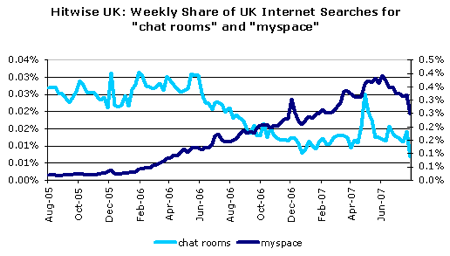
social networking: facebook - launched their api or rather the f8 development platform on may 24. in less than 3 months, there have been thousands of facebook applications developed, which integrate the the smallest to the most established sites with facebook. this move has caused the site to grow almost 4-times as fast as myspace and has increased the site’s valuation 3-fold.
photo-sharing: flickr - was the first one out with their api (out of the social media four), which turns 3 years old this september. this also means that they have a quite inclusive and well-developed api which can integrate most of the functions of the site into an off-site application. additionally there is a comprehensive collection of tools built on the api including development tools, desktop and mobile applications, and more.
video-sharing: youtube -unveiled their api around the same time facebook did, and has gotten more than its fair share of attention with numerous tools and mashups already built on it.
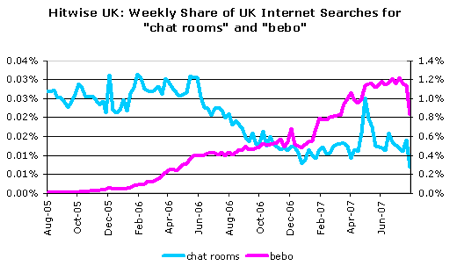
all four of these sites have abundant competition. digg faces del.icio.us, netscape, reddit, stumbleupon, and more. facebook faces myspace, bebo, tangler, and so on. flickr faces competition from zooomr, photobucket, and others. and youtube faces competition on all fronts from more video-hosting-and-sharing sites than one can count or name.
in spite of this competition these sites remain the most popular and the some of fastest growing in their respective niches and it is fair to say that this is in no small part because of their shift away from being just social media ‘sites’, and towards being social media ‘platforms’ (or social media ‘services’). by opening their proverbial ‘walled gardens’ to outsiders they allow hundreds of innovative minds to play with their data and come up with new ways to present and interact with the information which is beneficial for the platform owner (i.e. the social media site), the developer, as well as the end-user.
Technorati Tags: digg, netscape, reddit, stumbleupon, facebook, myspace, bebo, tangler, flickr, zooomr, photobucket, youtube, socially driven, social networking, photo sharing, video sharing, social media